
One student, one laptop: a 90s daydream.
2026-05-29
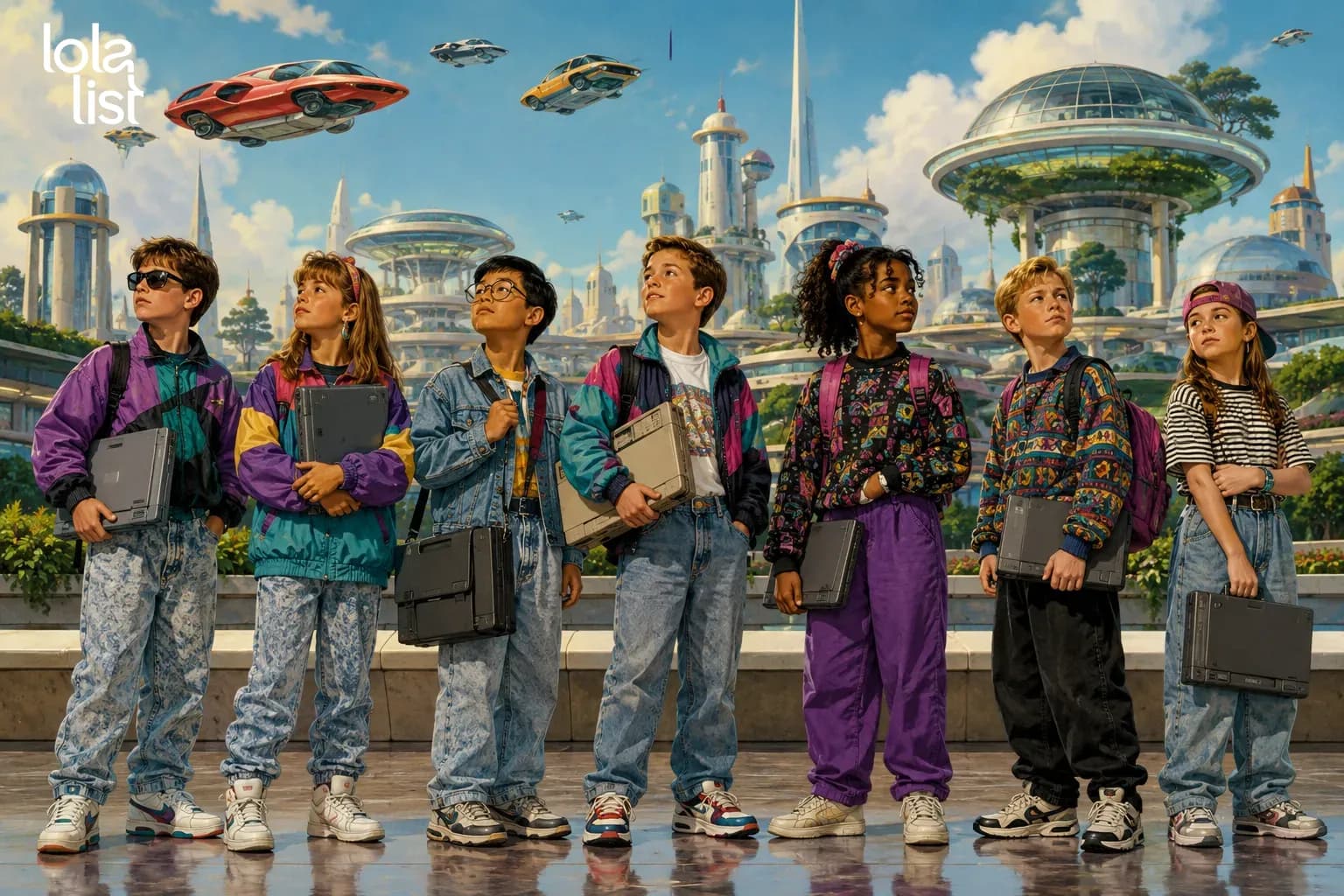
The idea that every student from 1st year of ESO onward should have their own laptop now feels closer to an outdated futuristic daydream from the 90s, designed to impress parents from the 90s, than to something adapted to our times. In the 90s, the internet was not as widespread as it is today, nor were servers as accessible as they are now, so the idea of a laptop caused excitement. Today, it is possible to work on a school device and recover that work from a device at home without carrying any extra weight. This concept, besides being more comfortable (and more modern), contains other interesting readings.
The first is that having shared computers at school encourages a model of ownership based on sharing resources (much more educational), while that shared computer can also be more powerful, have a larger screen, and be much more comfortable to use (and not to transport). Files and content can be transferred through school servers or services such as Dropbox or Google Drive. On the other hand, a EUR 300 expense per student is being transferred to families.
The idea that every student has their own laptop necessarily implies several things about that computer: the device quality will be very low (so that it fits every family's budget), which means that after ESO, in most cases, it will become another piece of waste with no residual value. It is weight that students will have to carry on their backs every day.
The second point is that this does not normalize a use-and-throw-away model: having a computer that after ESO no longer serves any function and has to be set aside, probably because its specifications were already below reasonable minimums when it was bought. Again, it is much more educational to buy something that can have the longest possible useful life and later some residual value that allows it to be reused for another function or sold.
The third, more complex and deeper question is to assess what all this technologization contributes. What is being done on school tablets and computers that cannot be done with paper and pencil? The analysis is sad: being generous, 90% of what is done on devices can be done with traditional methods, and there is a major debate about the effects of this early, gratuitous exposure to technology.
The digital divide that those parents from the 90s (and earlier) pointed to and did not want for their children, I do not know whether there is room for it today, with the massive proliferation of devices: phones, tablets, smart TVs, and so on, which make it difficult for someone to grow up without a basic understanding of what a computer is. Perhaps the fear now lies at the other extreme: children who cannot hold their attention on a book or develop thought on paper and pencil.
If you are looking for ways to save on your list, you can find more options here: How to save money on school books