Second-hand school books: savings and educational value.
2026-05-25
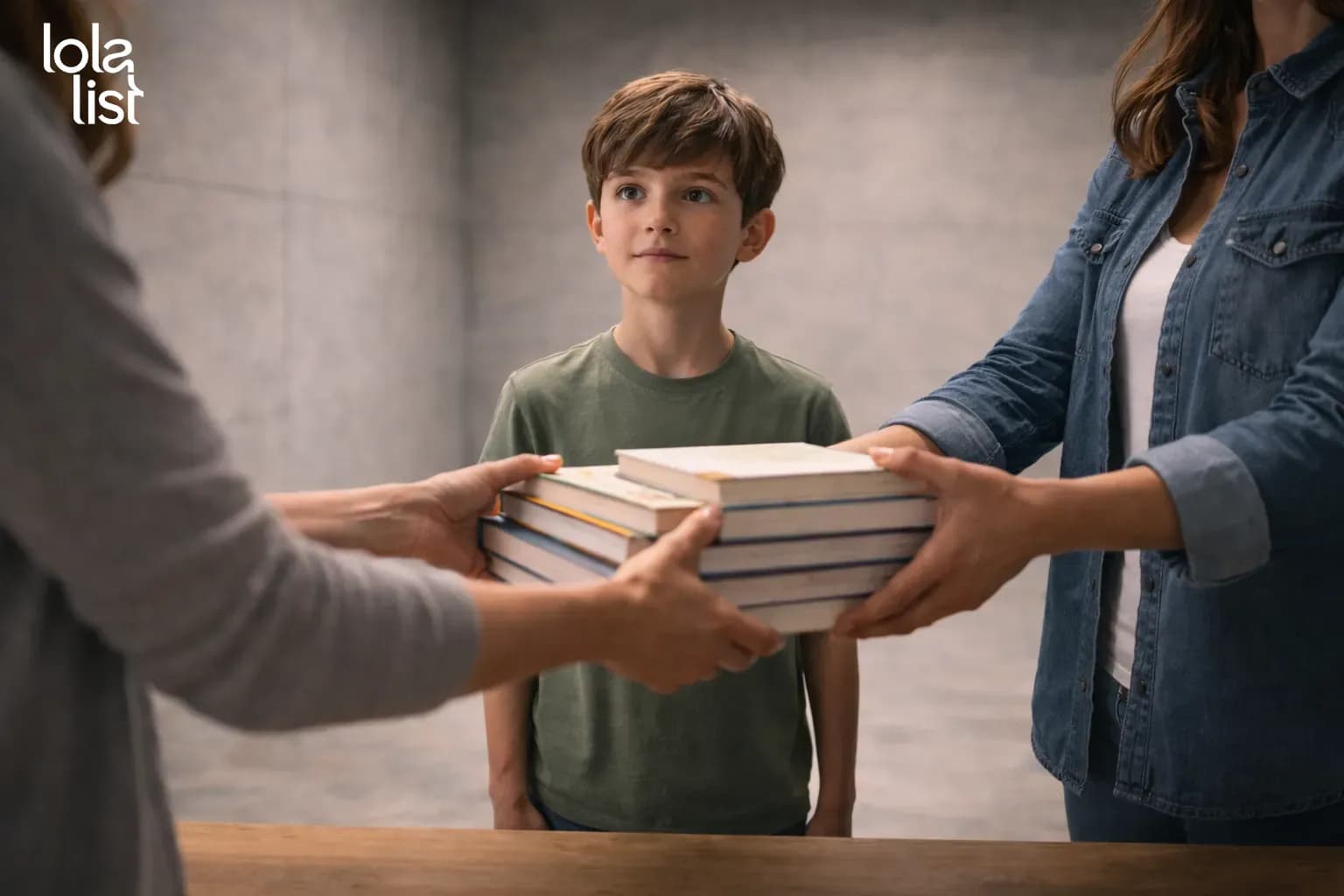
If we include used books, we can get a discount of around 30% compared with not doing so. It is the decision that will give us the greatest possible savings. Even more so if we double down by selling the textbooks that are left behind.
For some reason, some people feel uneasy about using the second-hand market. Others do not. There is a certain obsession with opening and owning things new. With expensive and complex devices, it may have some justification because of fear about how they were treated before or hidden defects, but that is rooted in fear. There can even be embarrassment about not buying new. Perhaps, in the generations of our parents and grandparents, who lived in a world where everything was scarce and buying used may have been the norm, that embarrassment around used things can be understandable. However, in the world of abundance and waste in which we live, reusing things and giving them a second and third life is a moral obligation and an ethical necessity, as is reducing the waste we generate.
Having children normalize buying and using objects that previously belonged to other people, and spending resources with better judgment, is a great lesson we can pass on. In searching for a used item, meeting the seller, closing the deal, returning home, and cleaning and preparing that object to make it ours, there is something children often do not perceive: effort. Buying new is easy; it only requires more money (money that, naturally, comes to them without effort). Paradoxically, our children will perceive more value if we buy something used that we also intend to resell than if all the books simply appear at home brand new. Of course, it is very important to involve them in the process and explain the reasons.
When we buy something used, there is a story behind it with another user. We have found a unique object that depended on our skill in searching and negotiating, and then we have made it ours, whether by washing it, fixing it a little (well, not in the case of books, but it applies to everything else), and for us it performs the same function as a new object. If we treat that object with care and diligence, it will preserve its value and the process can continue. There is much more beauty in that than in buying something new in any store and throwing it away when it no longer interests us.
Many times we identify with things. We let objects define us. We should not encourage that. Our identity cannot depend on material things, and material things deserve respect and care, not only when they are new.
In the lolalist store selector, we can choose to include stores that offer used books, which we can buy just as easily as new books.
If you are looking for ways to save on your list, you can find more options here: How to save money on school books