
Digital licenses in school books: what to check before buying used or reusing books.
2026-05-26
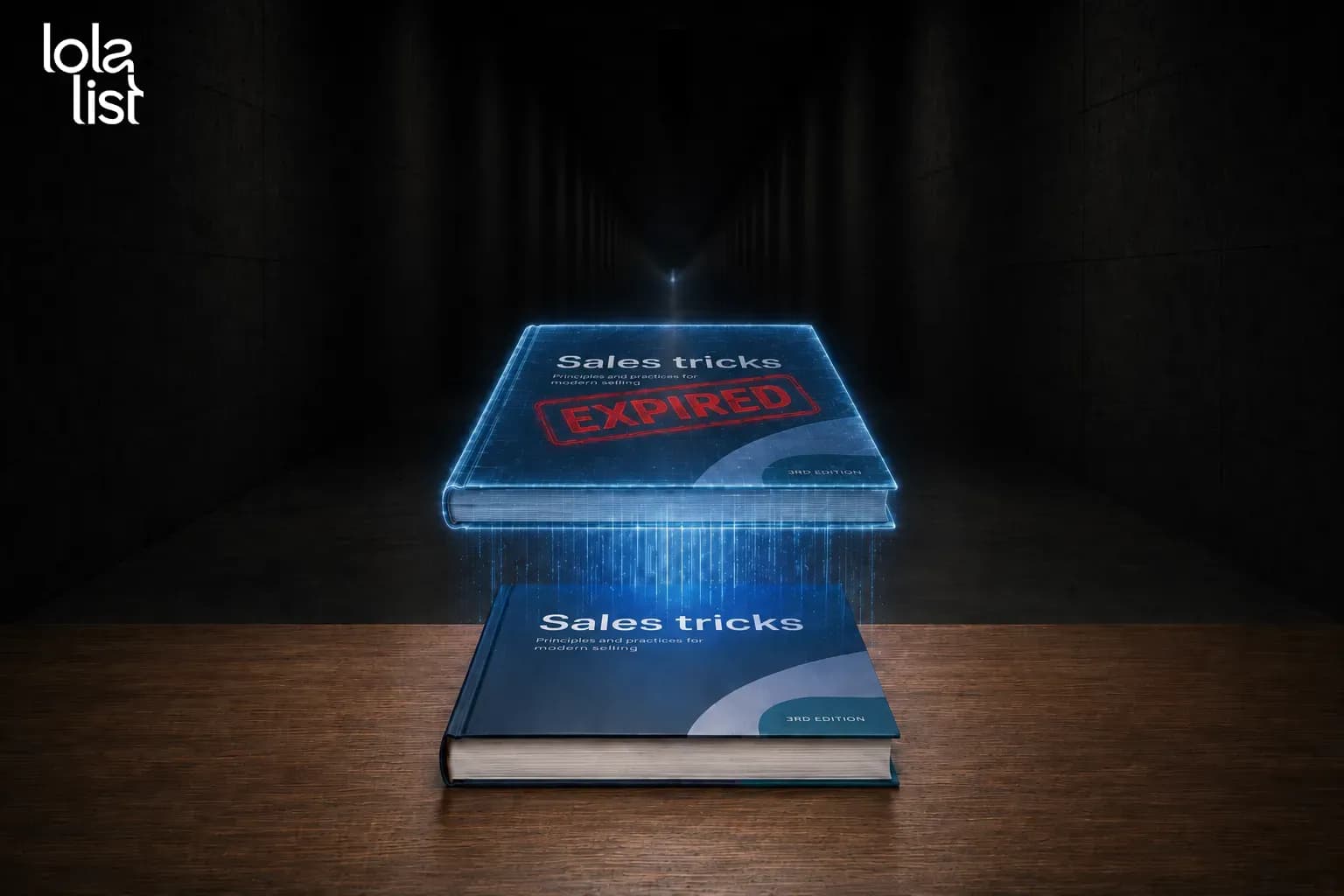
Buying second-hand school books or reusing books from the previous year is an excellent way to reduce back-to-school spending, in addition to the educational value this gesture has for our children. In many cases, especially with reading books or textbooks that are not written in, a used book can work perfectly if it is in good condition and matches exactly the edition requested by the school. That can be checked through the ISBN code.
But there is an important detail: some school books include digital licenses, access codes, or online resources. And that can completely change whether a used book is suitable or not.
The key difference is simple: the printed book may still be usable, but the digital code usually cannot be reused if it has already been activated or if it is single-use.
A physical book can be lent, sold, or reused. If it is well preserved and is the correct edition, it can remain useful for years. A digital license, on the other hand, works differently. It may be linked to a user, to a specific platform, to a school year, or to a limited time period. It may also be single-use.
That is why, when buying a used book, everything may seem correct: the title matches, the ISBN is right, and the book is in good condition. But if the digital code has already been used, has expired, or is not included, the student may not be able to access the online part they need.
The physical book may be fine; the problem is that it may not include everything the school asks for (although we do not know whether the school actually plans to use that digital part, and often it does not).
Not all school books have this problem. For many reading books or traditional textbooks, it is enough to check that the edition is correct and that the copy is in good condition. It is worth paying more attention when the school's list or the product description includes phrases that refer to that digital part.
Before buying a used school book with a digital license, it is worth checking four things:
First, whether the code is intact. Many codes are protected by a scratch-off layer. If the code is already visible, it has probably been used or, at the very least, you cannot be sure it is still valid.
Second, whether the publisher allows the license to be purchased separately. In some cases, digital access can be bought separately, but not always. And when it can, it may cost enough that the savings from the used book no longer make up for it.
Third, whether the access has an expiration date. Some digital licenses do not last indefinitely. They may be tied to a school year or expire on a specific date, even if the physical book remains in perfect condition.
Fourth, whether the school requires use of the digital platform. If the online part only contains supplementary resources, the used book may still be enough. But if the student has to complete activities, quizzes, or assignments inside the platform, buying the used book without access may leave you short. It is also common for the teacher to ignore this part, although that is something we can hardly know at the start of the school year.
The same problem appears when reusing books from siblings or previous years. The physical copy may be available at home, but the digital license may already have been activated and cannot be used again.
The use of digital licenses in school books has a practical side: it can provide access to online exercises, audio, videos, quizzes, interactive content, or student tracking. But it also creates an understandable criticism.
For many families, the printed book is a legitimate physical copy. Someone bought it, paid for it, and, if it is in good condition, it seems reasonable to be able to sell it, lend it, or reuse it.
The problem appears when a perfectly valid physical book is limited by a single-use digital code, especially if that digital part is mandatory for the subject and cannot be purchased separately in a simple or proportionate way.
It is not necessarily a legal issue. It is a practical and ethical tension: if the printed book can be reused but the mandatory digital access cannot, the second-hand market is blocked in practice. And if the digital part is being used to give the printed book an early expiration date and force a new purchase, this does not seem like a detail publishers have improvised.
If you are thinking about buying some second-hand books, you can see their advantages in detail here: Second-hand books: savings and educational value